Originally published in the Ukrainian educational journal Palitra Pedagoga (2019, №5).
Author: Nataliia Kovalenko (now Prokopchik), early childhood educator and lecturer in culinary creativity.
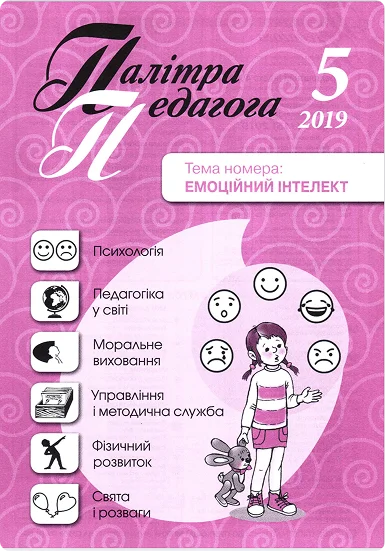
• Emotional intelligence is as vital as knowledge and underpins future success.
• Drawing on H. Gardner’s ideas, it includes intrapersonal skills (self-awareness, reflection, self-control, motivation) and interpersonal skills (empathy, tolerance, communication).
• Children cultivate these qualities only in warm, accepting interaction with adults.
• Emotionally mature adults take responsibility for their feelings, respect boundaries, avoid rigid judgments, and can manage emotions constructively.
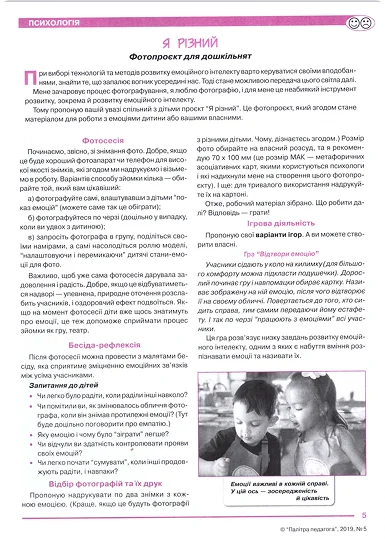
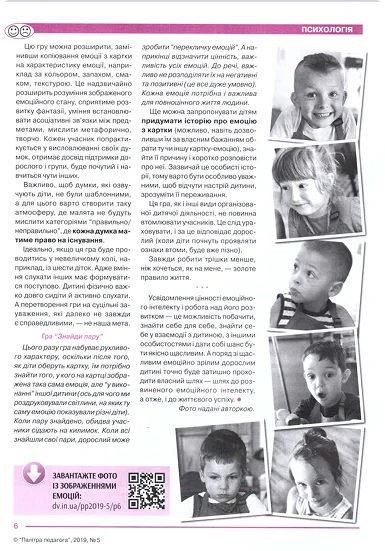
• A practical example: the “I Am Different” photo project, where photographing children’s emotions and playing reflective games foster empathy, self-awareness, and resilience.












 ICONIER Digital Agency