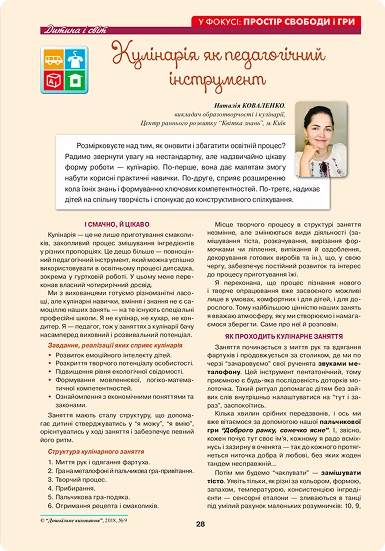
Cooking can become much more than just preparing tasty treats. In early childhood education, it is a powerful pedagogical instrument that combines play, learning, and creativity.
Why it matters:
Practical skills. Children gain hands-on experience with mixing, kneading, shaping, and decorating.
Cognitive development. Following steps, counting, sequencing, and problem-solving are naturally woven into the cooking process.
Language & literacy. Songs, rhymes, riddles, and storytelling enrich vocabulary, grammar, and communication.
Math & logic. Measuring, comparing shapes, and recognizing patterns develop logical and mathematical thinking.
Emotional & social growth. Cooking together teaches patience, cooperation, gratitude, and the joy of shared creativity.
Ecological & economic awareness. Through food, children learn about resources, values, and mindful consumption.
How it works in practice:
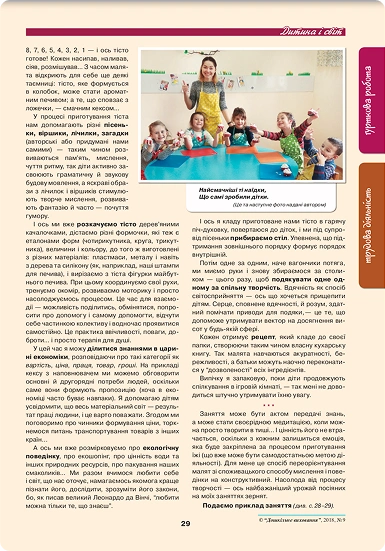
Cooking sessions are structured like a little adventure: washing hands and putting on aprons, playing rhythmic finger games, preparing dough, shaping cookies with molds, decorating, cleaning up together, and finally tasting the results. Each step becomes a lesson in independence, responsibility, and teamwork.
The bigger picture:
Cooking is not only about making something delicious. It nurtures imagination, confidence, and a sense of connection. It inspires children to explore the world, respect themselves and others, and find joy in both process and result.







 ICONIER Digital Agency